
How Much Does a Video Editor Cost? What Sets the Price
By Showmo · 2026-11-29
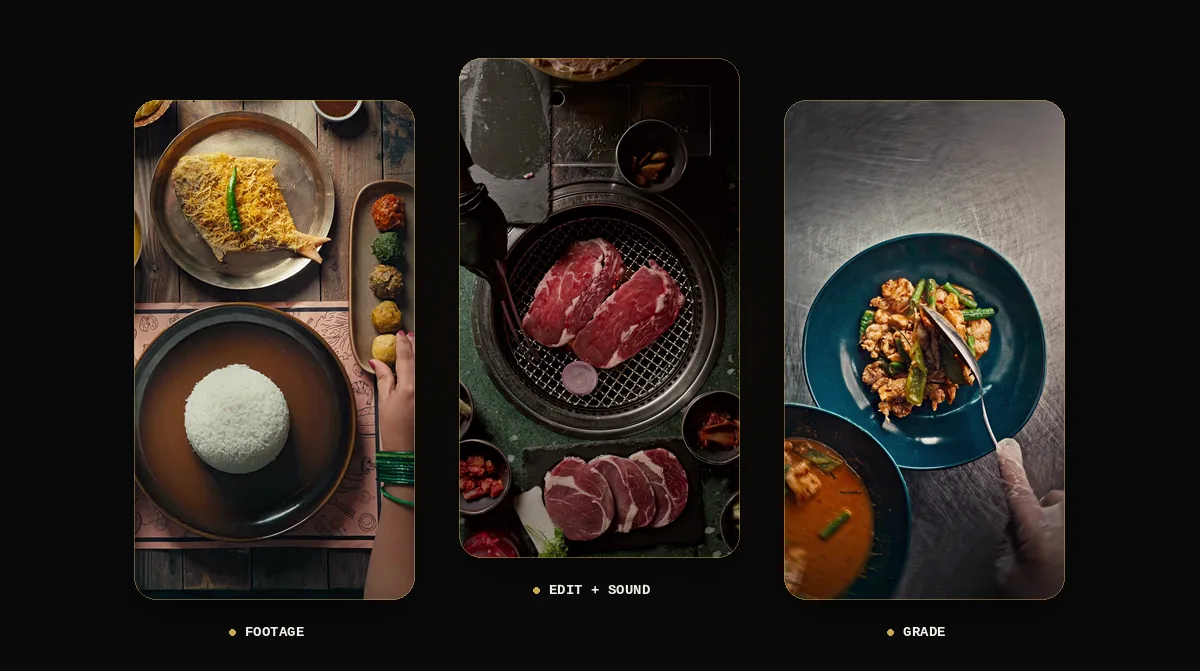
There is no honest single answer to "how much does a video editor cost", and any article that gives you one number is guessing. A 20-second reel cut from clean footage and a 3-minute brand film cut from six hours of unlabelled clips are different jobs, even if both get called "a video". What I can give you is the list of things that actually move the price, so you can read a quote, compare two editors fairly and avoid paying for the wrong thing.
Why hourly quotes mislead on short-form
Rate guides such as Twine's video editor rates guide quote hourly ranges, and they are useful for seeing how wide the market is. But hourly pricing is hard to use as a buyer. You cannot know in advance how many hours a reel will take, a slow editor can cost more than a fast one, and you end up paying for the editor's process instead of your result. For reels, ads and other short-form work, I prefer a price per finished deliverable, with the scope written down: length, format, revision rounds and delivery date.
The seven things that set the price
1. Finished length and edit density
Length matters, but density matters more. A 30-second reel with 40 cuts, animated captions, speed ramps and layered sound takes far longer than a 30-second single-take testimonial. When you ask for a quote, say what the edit should feel like and send two or three references. "Fast, 12 to 15 shots, music-driven" is a different job from "calm, six shots, voiceover".
2. How much raw footage there is, and how organised it is
The editor has to watch what you send. Twenty minutes of raw clips for a 30-second reel is normal. Three hours with no file names, no notes and no marked favourites is not, and the extra time shows up in the price one way or another. Clean folders and a short note about the must-have shots are the cheapest savings available. The handover checklist shows what to send and how to name it.
3. Footage quality
Good footage is cheaper to finish. Shaky, underexposed or inconsistent clips need stabilisation, repair and more careful grading, and some problems cannot be fixed at any price. A restaurant shoot with steady shots and clean light costs less to finish than the same dish filmed handheld under mixed lighting. If you are about to shoot, the restaurant reel checklist is a good place to start.
4. Color grade
This is the line most quotes hide. A basic correction brings footage to a neutral, correct look. A grade builds a look and holds it across every shot. In DaVinci Resolve that means setting up color management for the camera's LOG profile, balancing exposure and white balance shot by shot with the scopes, shaping contrast, and then matching shots so the look is the same from the first frame to the last. Footage from two different cameras, or LOG mixed with standard profiles, adds matching work. If your brand needs one consistent look across a month of videos, ask whether the grade is included or sold separately. If you are unsure what you need, read color grading vs color correction.
5. Sound, music and captions
Sound design, music selection, mixing and captions are real work, and some quotes leave them out. Check whether captions are burned in, whether you get a clean version without text for other platforms, and who pays for music licences. Licensed music is a separate cost on any serious brand project.
6. Revisions
One structured round of feedback is normal and fair. Unlimited revisions are a risk for both sides: the editor prices in the worst case, and the project drags. The cleanest arrangement is a fixed number of rounds, a clear definition of what counts as a new request, and one person who consolidates all feedback into a single message. Feedback on timestamps ("0:07, hold the shot two beats longer") is faster, and so cheaper, than feedback on feelings.
7. Turnaround, versions and platforms
A 48-hour deadline costs more than a one-week deadline, because the editor has to reserve capacity. The same goes for extra versions: a 9:16 reel, a 1:1 crop and a 16:9 cut are three exports and often three different reframes. Platform needs differ too, as the Reels vs Shorts vs TikTok guide explains. Ask for the versions you need up front rather than adding them later.
Three ways to pay, and when each fits
- Per project. Best for a one-off reel, an ad or a brand film. You pay for a defined scope. It is the right way to test an editor.
- Retainer. Best when you publish every week. You buy a set number of finished videos per month, usually at a lower price per video, with a dedicated editor who learns your style. The trade-off is commitment, so check the minimum term before you sign.
- Hourly. Best for open-ended work where scope genuinely cannot be fixed, such as a long documentary edit. Ask for a cap or a progress report every few days.
What a good quote should list
Before you accept a price, make sure it answers these questions in writing:
- Finished length, format and number of versions.
- What is included: cut, sound design, music, captions and color grade.
- How many revision rounds are included.
- Delivery time, and which days count toward it.
- File formats and who owns the project files.
- How and when you pay.
Two quotes that look far apart are often quoting different scopes. Put them side by side against this list before you decide which is cheaper.
Cheap quotes that cost more later
The lowest price can become the most expensive one. Typical causes: the grade or sound is not included, every revision is billed, a rush fee appears after you approve the scope, or the editor cuts to a template and nothing matches your brand. A paid test on your own footage, as described in the portfolio checklist, tells you more than any price comparison.
How we price at Showmo Films
I run Showmo Films as a remote studio: my team and I cut and grade in DaVinci Resolve in one consistent style. Color grading is included in every edit. The public prices are on the pricing page: the $150 First Frame Test is one fully graded reel up to 30 seconds with one revision round, with $150 off your first month if you join a plan within 30 days, and retainers start from $920 a month for four reels with a 6-month minimum. A final quote depends on your footage and goals, so I look at both before I confirm a price.
If you want to see what the process looks like on your own footage, book your First Frame Test. You can also read about our video editing, Reels, TikTok and Shorts editing and color grading services first.
Back to the Journal.